
Selling your motorcycle in Melbourne can be easy with the right tips. This guide will help you through the key steps for a smooth sale. You’ll learn how to understand the local market, get your bike ready, and talk to buyers effectively.
Discover strategies to make selling your motorcycle in Melbourne a success. You’ll find out how to prepare and present your bike well. This will help you get a good price and a smooth transaction.
Key Takeaways
- Second-hand motorcycles offer significant savings against brand-new models due to rapid depreciation.
- Factor in maintenance fees and safety gear costs when setting your budget for accurate financial planning.
- Narrow down options based on personal needs: consider cruiser bikes for leisure and dirt bikes for adventure.
- Compare rates and understand loan terms to secure the best financing options for your purchase.
- Test ride any motorcycle before purchase to assess performance, handling, and compliance with state regulations.
- Overall examination of the bike’s condition, including a review of service records and history checks, is crucial.
- Maintain honest communication during negotiations to reach an agreement on a fair price.
Understand the Melbourne Motorcycle Market
Getting to know the Melbourne motorcycle market can really help when selling your bike. By looking into local trends, you can see what buyers like. This lets you pick the right model to sell, making your ad more interesting.
Knowing what bikes are popular is key. It helps you highlight the best features of your bike. Also, knowing the prices of similar bikes in Melbourne is important. This helps you set a price that will get people interested.
Research Local Trends
The Melbourne bike market changes with the seasons. February is a good time to sell because sales staff are pushing to meet their targets. December also has discounts as dealers clear out stock.
By watching these trends, you can find the best time to sell your bike.
Identify Popular Models
Knowing which bikes are in demand can really help. Brands like Honda, Yamaha, and Kawasaki are always popular. Emphasizing things like new tech, good fuel use, and cool looks can draw in buyers.
Keeping up with what dealers are offering can also guide your selling strategy.
Assess Pricing Competitively
Setting the right price in Melbourne is all about comparing prices. Look at what similar bikes are selling for. A table showing prices can help you figure out how to price your bike:
| Model | Average Price (AUD) | Condition |
|---|---|---|
| Honda CRF250L | 7,200 | Used |
| Kawasaki Ninja 650 | 9,500 | New |
| Yamaha MT-07 | 8,000 | Used |
Setting a competitive price makes your bike more appealing. But it also means you get a fair deal. Keep an eye on deals and financing options from dealers all year.
Prepare Your Motorcycle for Sale
When you’re ready to sell your motorcycle, getting it ready is key. Making sure your bike looks good and works well boosts buyer confidence. A clean and checked bike can sell faster and for more money.
Clean and Maintain Before Listing
Begin by giving your motorcycle a deep clean. A shiny bike makes a great first impression. Don’t forget to check the oil, brake fluid, and battery. Tell buyers about any upgrades or new parts to increase its value.
Small fixes like changing the engine air filter and checking the tires are important too. They show you’ve taken care of your bike.
Gather All Necessary Documentation
Having the right documents is crucial to reassure buyers. Put together a package with the bike’s service history, registration, and any changes made. This shows the bike’s condition clearly.
A Personal Property Securities Register (PPSR) check can also help. It checks for any debts or if the bike is stolen. Having everything ready makes selling easier and faster.
Setting a Realistic Asking Price
When selling your motorcycle in Melbourne, setting a realistic pricing is key. You need to look at several factors that affect your bike’s value. Use online tools and local market knowledge to find a price that draws buyers and is fair to you.
Use Online Valuation Tools
Online valuation tools Australia are great for starting to understand your motorcycle’s worth. Kelley Blue Book and NADA Guides are good places to begin. They consider your bike’s model, year, and condition to give an estimated value. This helps you set a fair asking price.
Compare Similar Listings
Look at other motorcycles for sale that are similar to yours. Websites like Craigslist, eBay, and Facebook Marketplace can show you what others are asking. This helps you see what prices are competitive and adjust your price if needed.
Consider Your Motorcycle’s Condition
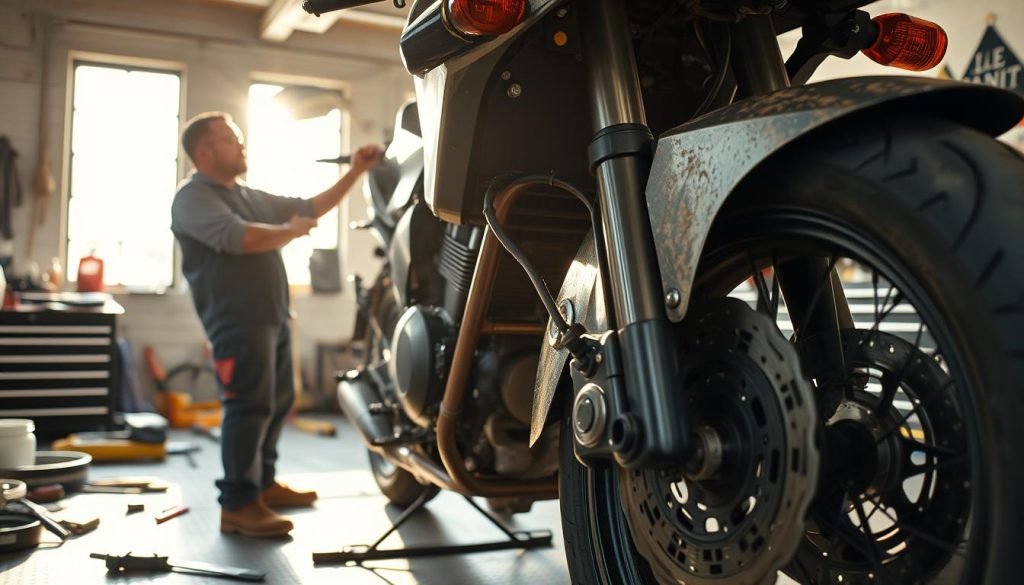
The condition of your motorcycle is very important. A detailed motorcycle condition assessment should look at mileage, maintenance, and any upgrades. Good photos and a detailed description can highlight your bike’s best features, supporting the value you’ve researched.
| Condition Factor | Impact on Value |
|---|---|
| Mileage | Higher mileage typically decreases value |
| Maintenance | Well-maintained bikes can command higher prices |
| Modifications | Special modifications may increase or decrease value, depending on buyer demand |
| Accessories | Extras can enhance appeal and justify higher pricing |
Knowing these factors helps you set a price that shows your motorcycle’s true worth. It also makes it appealing to potential buyers.
Crafting an Effective Listing
Creating effective motorcycle listings is key to attracting the right buyers. It’s all about writing clear descriptions and using top-notch photos. These show off your motorcycle’s best sides. This approach can really boost interest and engagement from potential buyers.
Write a Clear, Concise Description
Your listing should have a clear and to-the-point description. It should cover the motorcycle’s make, model, year, and condition. Talk about any modifications, maintenance history, and special features that make it stand out.
Keep it simple and avoid technical terms. This makes sure everyone can understand the details. It helps attract more potential buyers.
Use High-Quality Photographs
Good motorcycle photography is vital for your listing’s success. Use high-quality images from different angles to give a full view of the bike. Make sure the lighting is good and the background is clean.
Clear photos help buyers see the bike better. They also build trust in your listing.
Highlight Key Features
Point out the special features of your motorcycle. This could be low mileage, custom parts, or performance upgrades. Highlighting these attracts buyers looking for those specific things.
This not only increases your chances of selling but also justifies your asking price.
Leveraging Online Platforms for Sales
Using the internet can really help sell your motorcycle. There are many places to choose from, each with its own benefits. You can use websites made just for selling bikes, join local social media groups, or post on dealerships’ websites.
Popular Websites for Motorcycle Sales
Online platforms like BikeSales, Gumtree, and Motorbike Finder are great for selling bikes. You can add clear photos and detailed descriptions. This makes it easy for people to find your bike. These sites attract serious buyers, making the sale process smoother.
Social Media Groups and Forums
Joining social media groups can help you reach more people. Facebook has many groups for buying, selling, and talking about bikes. By posting there, you can connect with people who love bikes as much as you do. Forums also offer tips and advice from other riders and sellers.
Motorcycle Dealerships’ Websites
Dealerships’ websites are another good option. Many dealers let you list your bike online. They have a lot of customers and know how to market, which can speed up the sale. This way, you might find a buyer faster.
Engaging with Potential Buyers
Talking to potential buyers is key to a good sale. Keeping in touch with them builds trust and speeds up the sale. Quick replies show you’re professional and serious about selling.
Connecting with people who are really interested can greatly improve the selling experience.
Prompt Response to Inquiries
Quickly talking to buyers is very important. When they ask questions, answering fast shows you care about their interest. In a busy market, being quick can help you stand out.
Flexibility in Viewing Arrangements
Being flexible with viewing times is important. Meeting buyers at times that work for them shows you’re considerate. Whether it’s evening or weekend visits, giving options helps them see the bike.
| Engagement Strategy | Impact on Sale |
|---|---|
| Prompt Response to Inquiries | Builds trust, maintains buyer interest |
| Flexible Viewing Arrangements | Increases chances of in-person evaluation, quickens decision-making |
| Regular Communication | Promotes a positive selling experience |
Negotiating the Sale
When selling a motorcycle, planning is key. Know your financial limits well. Set a minimum price you’re willing to accept before talking to buyers. This price ensures you don’t sell for too little.
A good negotiation strategy can help you get a fair price. It’s all about being smart and knowing your limits.
Setting Your Minimum Acceptable Price
Your minimum price should consider the motorcycle’s value, condition, and maintenance. Look at similar models online to find a fair price. Kelley Blue Book can help with this.
Think about these things:
- Look at recent sales of similar bikes in your area.
- Include the cost of any repairs or upgrades that improve the bike’s value.
- Remember any loans or financial commitments on the bike.
Strategies for Successful Negotiation
Good negotiation strategies can make selling easier. Here are some tips:
- Maintain a calm demeanor: Being calm shows confidence.
- Be open to offers: Being flexible can lead to a better deal.
- Highlight your motorcycle’s value: Show off its condition and any upgrades.
- Prepare to justify your price: Use your research to back up your price.
- Offer incentives: Adding extras like helmets can attract buyers.
| Negotiation Strategy | Description |
|---|---|
| Establish clear boundaries | Know your minimum acceptable price to guide the negotiation. |
| Demonstrate confidence | Stay calm and collected to create a positive negotiating atmosphere. |
| Showcase the motorcycle’s value | Emphasise condition, history, and any enhancements that justify your asking price. |
| Be willing to compromise | Prepare to negotiate down slightly to make the sale without feeling unfair. |
With the right preparation and negotiation strategies, selling your motorcycle can be smooth. Knowing your limits and staying calm increases your chances of a good sale.
Finalising the Sale Process
Finalising a motorcycle sale needs careful attention to several details. Make sure you use secure payment methods to avoid fraud. Bank transfers or established payment services are good choices. They help build trust and make the sale smooth.
Agreeing on Payment Methods
Find payment methods that suit both you and the buyer. Some secure options include:
- Bank transfers
- Reputable online payment services
These options leave a clear record of the sale. This is crucial for completing the sale.
Completing the Required Paperwork
It’s important to have all the right documents ready. You’ll need:
- Proof of ownership
- Any service history
- A valid roadworthy certificate
This paperwork makes the buyer confident. It also ensures you meet all legal requirements.
Transferring Registration in Melbourne
After the sale, you must transfer the registration in Melbourne quickly. This step confirms the new owner and meets legal rules. For help, visit the VicRoads website or local office. They can guide you through the process.
Post-Sale Considerations
After selling your motorcycle, you need to handle some important tasks. These tasks help protect your financial well-being and prevent any issues. It’s all about managing what happens after you’ve sold your bike.
Canceling Insurance Policies
One key thing is to cancel the insurance for your sold motorcycle. Keeping coverage active can cost you money you don’t need to spend. Get in touch with your insurance company right away to cancel your policy. This stops you from paying for a bike you no longer own.
Handling Unwanted Accessories
What about the motorcycle accessories you don’t want anymore? You have a few choices. You could sell them separately to get some of your money back. Or, you could include them in the sale to make your offer more appealing. This might attract more buyers and make your deal stand out.
Tips for a Safe and Smooth Transaction
Keeping your motorcycle sale safe is key for both sides. Meeting in public places is a smart move to avoid scams. Choose busy spots like shopping centres or parks for a safer deal.
Meeting in Public Places
Always listen to your gut when dealing with buyers. If something seems off, it’s best to back out. Knowing common scams helps you stay safe.
Trust Your Instincts
Stay alert when selling your bike. A PPSR search can uncover any financial issues. Keeping detailed records of the sale adds extra security.