

Vintage motorcycles have a special charm that draws many. You might wonder if they sell for more than newer ones. In Australia, their value is growing among collectors and enthusiasts. The price depends on demand, the bike’s condition, and its history.
Nostalgia is a big factor in the resale market. Buyers often look for bikes that remind them of their youth. For example, the Vincent Black Shadow is highly sought after for its rarity and historical importance. Collectors also value original parts, like correct colours and badges, which can increase the price.
The vintage motorcycle market’s value can change. Knowing this can help you sell your bike for the best price. Whether you’re selling a popular model like the Yamaha RD250 or restoring a classic, understanding these factors is key.
Key Takeaways
- Market demand can substantially affect vintage motorcycle value.
- Originality and condition are crucial for attracting potential buyers.
- Nostalgic buyers are willing to pay a premium for models from their past.
- Understanding market trends can guide your selling strategy.
- Rising prices of certain models indicate a growing demand in the collector’s market.
- Documentation and provenance can further enhance the value of your motorcycle.
Understanding Vintage Motorcycles
Exploring vintage motorcycles opens a world of history and skill. The vintage motorcycle definition covers bikes made from 1910 to 1980. These bikes show off unique designs, engineering, and ties to big moments in history. Knowing what makes a bike vintage is key for setting its value and selling it well.
What Defines a Vintage Motorcycle?
A vintage motorcycle is more than just old. It’s about the craftsmanship and legacy it carries. Key points include:
- Manufactured between 1910 and 1980.
- Unique design and engineering features.
- Historical significance, often linked to iconic brands.
Knowing these points helps spot popular vintage models that collectors and buyers love. Rare models like BSA Gold Star and classic Ducatis are highly sought after.
Popular Models and Their Significance
Some vintage motorcycles get more attention because of their history and design. Here are a few:
| Model | Manufacturer | Year Introduced | Market Value Range |
|---|---|---|---|
| BSA Gold Star | BSA | 1938 | $7,000 – $15,000 |
| Ducati 750SS | Ducati | 1974 | $25,000 – $40,000 |
| Triumph Bonneville | Triumph | 1959 | $10,000 – $30,000 |
The importance of these popular vintage models goes beyond their looks. They carry a deep history and evoke a sense of nostalgia. This knowledge helps in selling vintage motorcycles and getting them the right price.
The Current Vintage Motorcycle Market
The vintage motorcycle market is changing a lot. This is due to new interests and economic changes. It’s important to understand these changes if you want to sell or invest in vintage bikes.
Trends in Vintage Motorcycle Sales
Recently, there have been big changes in how much vintage bikes sell for. Bikes from the 70s and 80s are getting more popular, thanks to younger collectors who remember them from their childhood. Brands like Ducati and Honda are seeing their values go up, while others go up and down.
There’s a big demand for rare, high-quality classic bikes. This demand is pushing prices up for bikes like the Honda CB750 Sandcast and Kawasaki Z900. There’s also a strong interest in Japanese homologation specials, making them more valuable.
Factors Influencing Market Value
Many things affect how much a vintage bike sells for. The bike’s condition and if it’s real are key. People want bikes that are well-kept or restored with original parts.
How well a bike is restored can really change its value. Often, the cost of fixing up a bike is more than what it sells for later. The state of the economy and what people prefer to invest in also play a part. The love for classic bikes makes some models more sought after, which can raise their prices.
Condition and Restoration Impact Value
The state of a vintage motorcycle greatly affects its value. Enthusiasts and collectors look closely at the condition. They prefer bikes that are in top shape.
Restorations that keep the bike true to its original form are more attractive. This is because buyers value the bike’s history and authenticity.
Importance of Authenticity in Restorations
Keeping the bike’s original parts and look boosts its value. Buyers love bikes that still have their original parts. This makes the bike more valuable.
An authentic restoration means:
- Using OEM parts
- Keeping the original paint and decals
- Having documented restoration steps
Common Restoration Practices that Increase Value
There are several ways to make your motorcycle more appealing. Some improvements can increase its value when selling. These include:
| Restoration Practice | Description | Potential Value Increase |
|---|---|---|
| Maintaining Original Parts | Replacing worn parts with OEM ones keeps the bike’s history intact. | Up to 20% increase |
| Fresh Tires and Brake Pads | New tires and brake pads show the bike is ready to ride. | 10-15% increase |
| Full Service History | A service history proves the bike has been well cared for. | 8-12% increase |
| Cosmetic Repairs | Minor fixes like touch-ups and cleaning improve the bike’s look. | 5-10% increase |
Investing in authentic restorations and maintenance boosts the bike’s value. This keeps your bike competitive in the vintage market.
Motorcycle History and Provenance
Knowing a vintage motorcycle’s history and provenance is key to its value. Sales documentation is crucial in setting a bike’s worth. Clear records show the bike’s past and affect its value.
How Documentation Affects Price
Keeping detailed records for motorcycle sales boosts its appeal. These records include:
- Previous service records
- MOT certificates
- Original purchase documents
- Receipts for restoration works
Such records give buyers confidence in the bike’s history. A well-documented motorcycle can fetch a higher price. This is because buyers trust its authenticity.
The Role of Previous Owners
The impact of previous owners on value is huge. A bike owned by a famous person or featured in media sells for more. Its storied past attracts buyers willing to pay more.
Here’s a quick overview of how provenance and ownership history influence pricing:
| Factor | Impact on Value |
|---|---|
| Detailed Documentation | 20%-50% increase in value |
| Notable Previous Owners | Premium pricing for high-profile ownership |
| Original versus Reproduction Parts | Significant value increase for originality |
| Ownership History | Stronger demand for historical connections |
Timing Your Sale for Maximum Profit
To get the best price for your vintage motorcycle, timing is everything. Seasonal changes and the economy greatly affect how much buyers are willing to pay. By planning your sale carefully, you can get the best results.
Seasonal Variations in Demand
Market demand goes up in warmer months when people ride more. Spring and early summer are the best times to sell. Events and rallies also draw more interest during these periods.
Economic Factors to Consider
The state of the economy is key to market demand and your motorcycle’s value. Things like inflation, interest rates, and how much people can spend influence buyers. Knowing these factors helps you choose the best time to sell.
The Role of Vintage Motorcycle Events
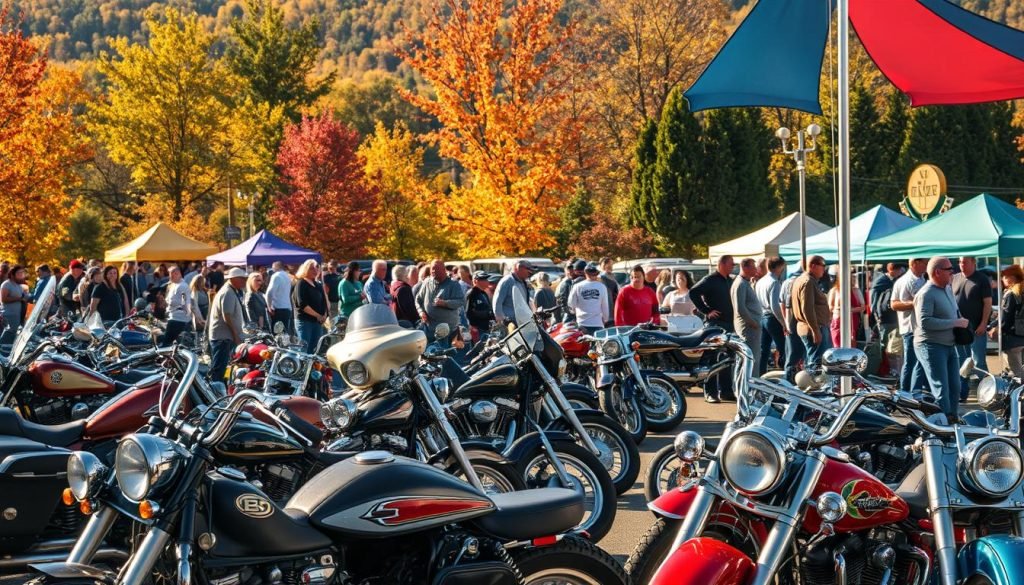
Going to vintage motorcycle events can really help boost your bike’s value. These events are great for showing off your motorcycle and meeting people who love vintage bikes. Being part of motorcycle shows and rallies can make your bike more visible and might even get you a better price when you sell.
How Shows and Rallies Enhance Value
Motorcycle shows are where bike lovers come together to see rare models and talk about their bikes. By joining these events, you can show off your bike’s special features. This can lead to more people being interested, which usually means better offers.
The excitement at these events can make your bike seem even more valuable to potential buyers.
Networking Opportunities for Sellers
These events also offer great chances to meet others. You can connect with collectors, influencers, and people who might want to buy your bike. Making friends in the community can lead to selling your bike for a higher price.
Being active at rallies shows you’re serious about selling. It’s also a chance to share your knowledge and experiences. This can help you build a strong connection with others, which can help when you’re selling your bike.
| Event Type | Benefits | Examples |
|---|---|---|
| Shows | Higher visibility, direct connection with buyers | Classic Motorcycle Shows, Vintage Bike Expos |
| Rallies | Networking, shared experiences, targeted audience | National Motorcycle Rally, Local Vintage Bike Gatherings |
Marketing Your Vintage Motorcycle
Marketing is key to finding buyers for your vintage motorcycle. You need to make listings that grab attention. Use detailed descriptions and top-notch photos to show off the bike’s best features. Good photos make a big difference in how buyers see your motorcycle.
Creating Captivating Listings
Focus on what buyers want to know. Include the year, model, and condition, and set a clear price. Highlight what makes your motorcycle special and its history. Here are some tips:
- Use a neutral background for photos to avoid distractions.
- Take photos in a landscape view.
- Show the bike from an eye-level view.
- Good lighting is key to show off details.
- Clean and maintain your motorcycle to make it more appealing.
Leveraging Social Media Platforms
Social media can help you reach more people. Use Facebook, Instagram, and motorcycle forums to connect with potential buyers. Share stories, restoration updates, and photos of your motorcycle. Local networks and bike clubs can also help you find buyers. Keep an eye on market trends to price your motorcycle right and engage with specific groups to get noticed.
| Social Media Platform | Best Uses | Target Audience |
|---|---|---|
| Market listings and community groups | Local buyers and vintage enthusiasts | |
| Visual storytelling and showcasing bike features | Young buyers and collectors | |
| Motorcycle Forums | Networking and targeted audience engagement | Dedicated vintage motorcycle fans |
By using these marketing strategies, you can sell your vintage motorcycle for the best price. You’ll find the perfect buyer for your motorcycle.
Assessing Your Motorcycle’s Worth
Knowing your vintage motorcycle’s worth is key before selling. Different methods help figure out how much it’s worth. This knowledge helps you set a good price and negotiate better with buyers.
Valuation Techniques for Vintage Models
Several factors affect a vintage motorcycle’s value:
- The bike’s age and condition play a big role. Older bikes tend to be worth less.
- Brands like Harley-Davidson and Ducati usually get higher prices because of their reputation.
- A detailed service history shows the bike has been well looked after. This can increase its value.
- Extra features like luggage or upgraded parts can make the bike more appealing and worth more.
- The rarity and historical importance of some models, like those with racing history, also impact their value.
Professional Appraisals vs. DIY Methods
Getting a professional appraisal can give a more accurate value than trying to do it yourself. Websites like Redbook.com.au offer estimates based on the bike’s details. Talking to motorcycle dealers can also give insights into the market and what to price it at.
| Motorcycle Model | Condition | Estimated Value (AUD) |
|---|---|---|
| 1972 Yamaha 650cc | Good | $1,000 |
| 1969 MV Augusta Road-Racer | Fully Restored | $28,500 |
By using different valuation methods, you can really understand your vintage motorcycle’s worth. This helps you stand out in the market.
Buyer Demographics and Their Preferences
Understanding who buys vintage motorcycles shows a mix of reasons and tastes. Most buyers are over 45 and love classic bikes for nostalgia, investment, or the joy of riding. Knowing what drives buyers helps you sell better by focusing on what they want.
What Modern Buyers Look For
Today’s buyers value certain things in vintage motorcycles. Looks are key, with 75% valuing design and condition. The bike’s mechanical parts, like the engine and brakes, matter a lot too. Also, if the bike has a real history, that makes it more appealing.
- Aesthetics: 75% of buyers focus on visual appeal.
- Mechanical Integrity: Key areas include engine, transmission, and brakes.
- Authenticity: Restoration quality is crucial for maintaining value.
- Provenance: Ownership history enhances desirability.
Niche Markets within Vintage Motorcycles
Finding niche markets in vintage motorcycles helps you find specific groups. For example, the 1974 Ducati 750SS Green Frames are rare and sought after. Knowing this lets you attract serious buyers ready to pay a lot for rare bikes. Brands like Harley-Davidson also get higher prices, showing the value of certain models.
| Vintage Motorcycle Model | Market Strategy | Potential Value Growth |
|---|---|---|
| 1974 Ducati 750SS Green Frame | Focus on rarity and provenance | Up to 250,000 |
| Harley-Davidson Classics | Highlight brand heritage | 20%-50% premium |
| Limited Edition Models | Emphasise exclusivity | 2-3 times auction prices |
Niche markets are growing, with places like China becoming big for collectors. This change in who buys and why can open new chances for sellers.
Legal and Registration Considerations
When selling your vintage motorcycle, understanding legal documents is key. You need to know about title transfers and registration checks. Following local laws makes your motorcycle more sellable.
Ensuring Proper Documentation
For vintage motorcycle registration, having all documents ready is crucial. This includes titles, service records, and past registrations. Without the right documents, selling can be tough. Here are important points to remember:
- Check the vehicle’s title to avoid ownership disputes.
- Make sure all registrations are up to date and follow state rules.
- Keep detailed records of any repairs or restorations to show the bike’s history.
Registrations That Can Affect Saleability
Legal aspects of selling a motorcycle go beyond just documents. Local laws can impact how easy it is to sell your bike. Consider these factors:
- Stamp duty rules vary by state, affecting the sale price.
- There might be limits on selling vehicles without a dealer’s license.
- You must follow the Australian Consumer Law, which protects buyers.
By being clear and following these laws, you avoid disputes. This builds trust with potential buyers about your vintage motorcycle’s authenticity.
Final Thoughts on Selling Vintage Motorcycles
Selling vintage motorcycles is a mix of research, strategy, and knowing when to let go. To get the best price, follow selling vintage motorcycles advice on documentation, market trends, and marketing. Knowing your motorcycle’s true value is key to making a good profit.
Key Takeaways for Maximising Your Sale
When selling, think about how much you love your motorcycle. It’s hard to let go, but being realistic about its value is crucial. For example, a 1974 Norton Commando might hold sentimental value, but its financial worth is what matters most. Getting advice and researching prices can help you sell well.
When to Hold On vs. When to Sell
Timing your sale is everything. Keep an eye on market changes and what buyers want. If demand is high and values are rising, it’s time to sell. But if the market is slow or your bike is very special, wait. Knowing when to sell can lead to better profits and experiences.