Selling a non-running motorcycle might seem tough, but it’s easier than you think. Knowing the right steps can help you sell your bike for a fair price. Dealerships often take a big chunk of the bike’s value, so selling it yourself can mean more money for you.
Start by finding out what your motorcycle is worth. Being ready to talk price is key. Cleaning and detailing your bike can also boost its value by about 10%. With the right approach, selling a non-running motorcycle can be simple and profitable.
In Australia, you can list your motorcycle for free on sites like bikesales if it’s under $3000. Being open and quick to respond to buyers can build trust. This can lead to a better deal for your motorcycle.
Key Takeaways
- Research the market value of your motorcycle to determine a fair price
- Cleaning and detailing your motorcycle can increase its sale value by around 10%
- Being responsive and honest with potential buyers can lead to a better price for your motorcycle
- Selling a vehicle yourself can lead to a substantially larger payday than trading it in
- Listing your motorcycle on online classifieds websites, such as bikesales, can help you reach a wide audience of potential buyers
- Providing a roadworthy certificate may be required in some states and can influence price negotiation
Understanding the Market for Non-Running Motorcycles
Selling a non-running motorcycle requires knowing the market and who might buy it. Start by looking at similar sales to figure out prices and demand. This helps you set a good price and find the right buyers. Tips include researching the market, knowing your audience, and pricing well.
The market for non-running bikes is special. It attracts people who want to fix them up or use parts. Selling a non-runner can be risky, so price it right to avoid losses.
Researching Similar Sales
Looking at similar sales is key to pricing your non-runner. Search online for bikes like yours that have sold. This gives you a price range to aim for. Be upfront about your bike’s condition and show lots of photos to attract buyers.
Identifying Your Target Audience
Finding the right buyers is crucial for selling a non-runner. You might be looking at mechanics, parts dealers, or enthusiasts. Knowing who you’re selling to helps you sell faster. Selling non-runners needs a different strategy than operational bikes.
Preparing Your Motorcycle for Sale
When selling motorcycles in poor condition, it’s key to get your bike ready to attract buyers. A clean and well-maintained bike can make a big difference. It’s like a job interview, and looking good is important.
First, check your motorcycle’s condition. Look for parts that can be fixed or salvaged. This will help you figure out how to sell your bike. Here are some steps to get your motorcycle ready for sale:
- Research similar sales to find a fair price for your motorcycle
- Clean and detail the bike to make it look its best
- Identify any issues or needed repairs to disclose to potential buyers
By following these steps and showing your motorcycle in the best light, you can attract more buyers. This can help you sell your bike for a good price. Remember, selling a motorcycle in poor condition needs a smart plan. A well-prepared bike can really help.
| Step | Action | Benefit |
|---|---|---|
| 1. Assess condition | Identify salvageable parts and potential for restoration | Determine best approach to selling |
| 2. Clean and detail | Make the bike look its best | Increase appeal to potential buyers |
| 3. Disclose issues | Be transparent about needed repairs | Build trust with potential buyers |
Setting a Realistic Price
When selling a non-running motorcycle, setting a fair price is key. You want a good deal but also to be competitive. Consider the repair costs when setting your price. For instance, new tires and a battery will affect your asking price.
Start by looking at online listings for similar bikes. This helps you understand market rates. Use Kelley Blue Book and NADA Guides for value estimates. Also, check Autotrader, Cycle Trader, and eBay for similar sales.
Evaluating Repair Costs
Be honest about your bike’s needed repairs. If repairs cost over $500, include this in your price. Remember to add any extra registration costs, if needed.
Checking Online Listings
Online listings help you understand the market and set a good price. Consider these factors for your bike’s value:
- Make and model
- Age and condition
- Mileage
- Any upgrades or custom features
By researching and considering these factors, you can price your bike right. This increases your chances of selling it fast. Keep your price competitive and be ready to negotiate. With the right price, you can sell your bike easily and start a new adventure.
Crafting an Effective Listing
When selling non-running motorcycles, making a good listing is key. You need to show off your bike’s best side while being clear about its condition. Here are some tips to help you sell your non-running bike effectively.
A good description is vital. Be honest about the bike’s state, including any problems or needed repairs. This builds trust and avoids future issues. Use clear and concise language to list the bike’s features and its history.
Writing a Compelling Description
Focus on the bike’s good points and its potential for fixing or upgrading. Mention any special parts or custom work done. Always be accurate and informative in your description, avoiding false claims.
Including Quality Photos
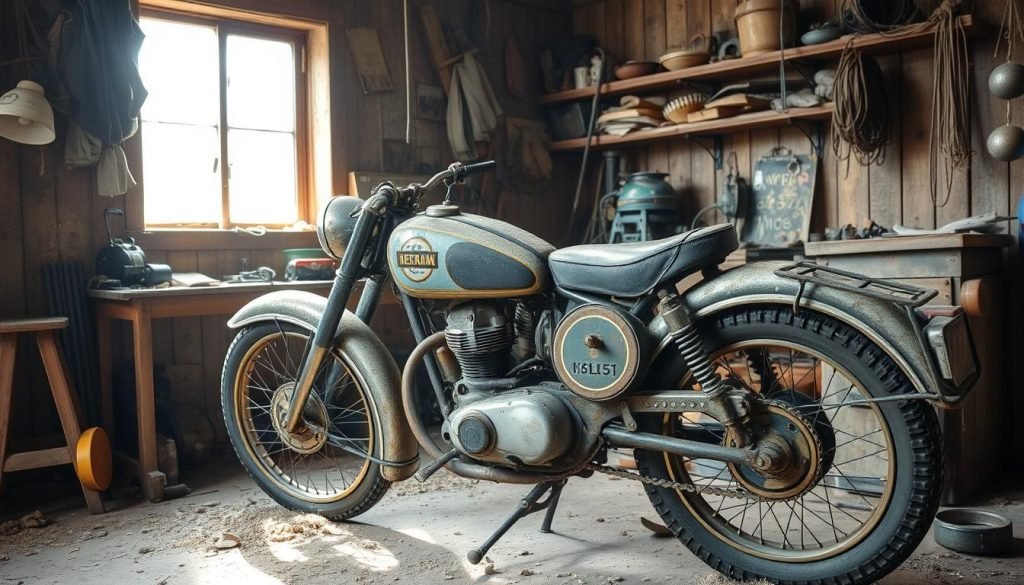
Good photos are crucial for selling non-running bikes. They let buyers see the bike’s condition and features clearly. Take clear and well-lit photos from different angles, showing any damage or wear. Include photos of any extra parts or accessories too.
By using these tips, you can make a listing that draws in buyers. Be honest and clear in your description, and use top-notch photos to show off the bike’s details.
| Tips for Selling Non-Running Bikes | Description |
|---|---|
| Be honest about the bike’s condition | Include information about any known issues or repairs |
| Use clear and concise language | Avoid misleading or false claims |
| Include high-quality photos | Showcase the bike’s features and condition |
Choosing the Right Platforms for Sale
When selling non-running motorcycles, picking the right platform is key. You aim to find buyers who want a non-working bike. It’s also important to stay safe while selling. A good guide suggests looking at online classifieds, social media, and local shops.
Selling non-running motorcycles means thinking about who you’re selling to and any fees. Sites like Craigslist are popular but beware of scams. Facebook Marketplace is another choice, offering wide reach without fees.
Specialized sites like Cycle Trader are great for motorcycle enthusiasts. They might charge for listings, though. The best platform for you depends on your needs and audience. Always follow a trusted guide for selling non-working bikes.
Choosing wisely can help sell your bike fast and safely. Keep your safety in mind and ask for help if needed. A good guide can offer valuable advice.
Communicating with Potential Buyers
When selling a non-running motorcycle, talking clearly with potential buyers is key. You must be ready to answer questions about the bike’s state, history, and any problems. Being open about the bike’s issues can help build trust and make the sale smoother.
Buyers might ask:
- What’s the reason for selling the motorcycle?
- Are there any engine or component problems?
- Is there wear and tear or damage?
Give detailed and accurate answers to these questions. This helps buyers make a good choice. Also, being upfront about the bike’s issues can prevent future disputes.
When selling a non-running motorcycle, share the bike’s history and maintenance records. This shows you’ve cared for the bike and can boost buyer confidence.
Being honest and clear with buyers can help sell your non-running motorcycle fast and for a good price. Emphasize the bike’s good points and its potential for repair. This can attract buyers looking for a deal or a project.
When selling motorcycles in poor condition, set realistic prices and be ready to negotiate. By sharing the bike’s condition and history, you help buyers understand its value. With the right approach, you can sell your non-running motorcycle and find it a new home.
Negotiating the Sale
Negotiating the price of a non-running motorcycle can be tough. To sell your motorcycle easily, you must be ready to explain why you’re asking for a certain price. Think about the repair costs, market demand, and the motorcycle’s state.
It’s key to check the market value of your motorcycle. Look at its age, mileage, and if it runs. Use Kelley Blue Book, NADA Guides, or RumbleOn to get an idea of its worth. Remember, motorcycles are more valuable when they’re being ridden.
Knowing Your Minimum Acceptable Offer
To avoid getting low offers, know the lowest price you’ll accept. Think about repair costs, the motorcycle’s condition, and demand. Use these factors to figure out your minimum offer:
- Cost of repairs: Guess how much fixing the motorcycle will cost, including parts and labor.
- Market demand: Find out how much people want your motorcycle’s make and model in your area.
- Condition: Check the motorcycle’s state, including any damage or wear.
Handling Lowball Offers
If you get a low offer, don’t worry. You can counter with evidence of your motorcycle’s value. Show photos and videos of its condition, repair estimates, and similar sales online.
Being ready and knowing your minimum offer helps you negotiate well. This way, you can sell your non-running motorcycle effectively.
| Factor | Description |
|---|---|
| Age | Affects the motorcycle’s value, with new motorcycles depreciating quickly and older motorcycles potentially increasing in value |
| Mileage | Affects the motorcycle’s value, with higher mileage reducing its value |
| Runnability | Affects the motorcycle’s value, with running motorcycles worth more than non-running ones |
Finalising the Transaction
When selling a non-running motorcycle, it’s key to close the deal safely and quickly. You’ll need to accept payment and transfer the vehicle’s ownership. This might seem tricky, but with the right advice, you can make it smooth. Here are some tips to help you wrap up the sale.
First, you must accept payment from the buyer. Safe options include money orders, cashier’s checks, PayPal, and bank wire transfers. Always use a secure method to avoid scams. Also, keep all sale documents for future use to avoid legal issues.
Transferring Ownership
To transfer ownership, give the buyer the needed documents. This includes the vehicle’s title, bill of sale, and any other required papers. The exact documents needed can vary by location, so check with your local motor vehicle department. For example, in Florida, motorcycles are registered with the Florida Highway Safety and Motor Vehicles (FLHSMV) department.
Many states also need a vehicle release of liability form and payment to the motor vehicle department after selling a motorcycle. By following these steps and using safe payment methods, you can ensure a secure and efficient sale. This makes selling your non-running motorcycle easy and positive for both you and the buyer.
- Vehicle title
- Bill of sale
- Vehicle sale holding deposit agreement
- Vehicle test drive agreement
By providing these documents and following the necessary steps, you can ensure a smooth and secure transaction when selling your non-running motorcycle. This will help you to easily sell a non-running motorcycle and provide a positive experience for both you and the buyer, using some tips for selling non-running bikes.
| Document | Description |
|---|---|
| Vehicle title | Proof of ownership |
| Bill of sale | Record of the sale |
| Vehicle sale holding deposit agreement | Agreement to hold the deposit |
| Vehicle test drive agreement | Agreement for test drives |
Handling Legal Considerations
When selling non-running motorcycles, you must think about the legal side. You need to know about consumer guarantees that apply. In Australia, these guarantees are automatic but can have exceptions.
It’s important to tell the buyer about the non-working motorcycle selling guide. Explain the warranty and refund policies clearly. Make sure you have all the necessary documents, like the title transfer and bill of sale.
The Australian Consumer Law covers these guarantees. But, products and services bought before 2011 are not covered by the current law.
Some key areas covered by consumer guarantees include:
- Fit for a particular purpose
- Matching the description
- Matching the sample or demonstration model
- Extra promises
- Repairs
- Spare parts
- Title to the product
- Undisturbed possession
- No hidden debts or charges
To make the sale go smoothly, talk to local authorities or a legal expert. They can help you follow the non-working motorcycle selling guide. This way, you and the buyer are protected, and the sale can be done with confidence.
| Consumer Guarantee | Description |
|---|---|
| Fit for a particular purpose | The product must be fit for the purpose for which it was sold |
| Matching the description | The product must match the description provided by the seller |
| Matching the sample or demonstration model | The product must match the sample or demonstration model shown to the buyer |
Shipping or Delivery Options
When selling motorcycles in poor condition, or non-running motorcycle sales, shipping can be tricky. You must think about the cost, ease, and risks. Local pickup is easy but might not work for buyers far away.
Working with professional transport services for non-running vehicles is a smart move. They have the right gear and know-how. Look for good companies online, read reviews, and ask for tips.
Factors to Consider
Shipping a non-running motorcycle involves several things. Think about the distance, bike size and weight, and where it’s going. Also, consider the season. Longer trips, bigger bikes, and rural areas can raise costs. Shipping in busy times can also cost more.
To cut costs, try flexible times, terminal-to-terminal shipping, and shipping in the off-season. Make sure your bike is ready by cleaning it, securing parts, draining fuel, checking tires and battery, and turning off the alarm.
Shipping Options
There are two main ways to ship: open transport and enclosed transport. Open transport is cheaper but leaves the bike open to the weather. Enclosed transport is safer but costs more.
| Shipping Option | Cost | Protection |
|---|---|---|
| Open Transport | Affordable | Exposed to elements |
| Enclosed Transport | Higher cost | Better protection |
The choice between open and enclosed transport depends on your budget and how much protection you want. By thinking about these points, you can make sure your non-running motorcycle is shipped well.
Tips for a Quick Sale
Creating urgency is key when selling broken motorcycles. Set a deadline or offer a discount to speed things up. This approach encourages buyers to act fast, preventing them from losing interest.
Offering incentives like spare parts or tools can make your motorcycle more appealing. Discounts for quick sales can also help move things along faster.
Creating a Sense of Urgency
- Set a deadline for the sale
- Offer a limited-time discount
- Include spare parts or tools with the sale
Being quick to respond and flexible with viewing times can also help. These actions show you’re serious and eager to sell, which can attract serious buyers.
Offering Incentives
Incentives can draw in more buyers and speed up the sale. Think about adding spare parts or tools, or offering a discount for a quick sale. These moves can make your motorcycle more appealing and increase the chances of a quick sale.
| Incentive | Description |
|---|---|
| Spare parts or tools | Include spare parts or tools with the sale to add value to the motorcycle |
| Discount for quick sale | Offer a discount for a quick sale to encourage buyers to make a decision quickly |
Dealing with Unsold Motorcycles
If your non-running motorcycle doesn’t sell fast, don’t worry. There are many ways to sell it, donate it, or scrap it. Each option has its own benefits.
Alternative Selling Strategies
Think about breaking the motorcycle into parts and selling them separately. This works well for popular bikes like Harley-Davidson, Honda, or Yamaha. People always need new parts.
Another idea is to restore the bike before selling it. This might make it more attractive to buyers and increase its value.
Donating or Scrapping Options
Donating the motorcycle to a charity or school can help you get tax benefits. It’s a good way to give the bike a new life. It won’t just sit there unsold.
If donating isn’t an option, scrapping the bike is another choice. You’ll get some money back, even if it’s not as much as selling it whole. Plus, the bike’s materials will be recycled properly.
When deciding what to do with your unsold motorcycle, think about all your options. Look into different selling strategies, donation, or scrapping. This way, you can find the best solution and maybe even get some of your money back.