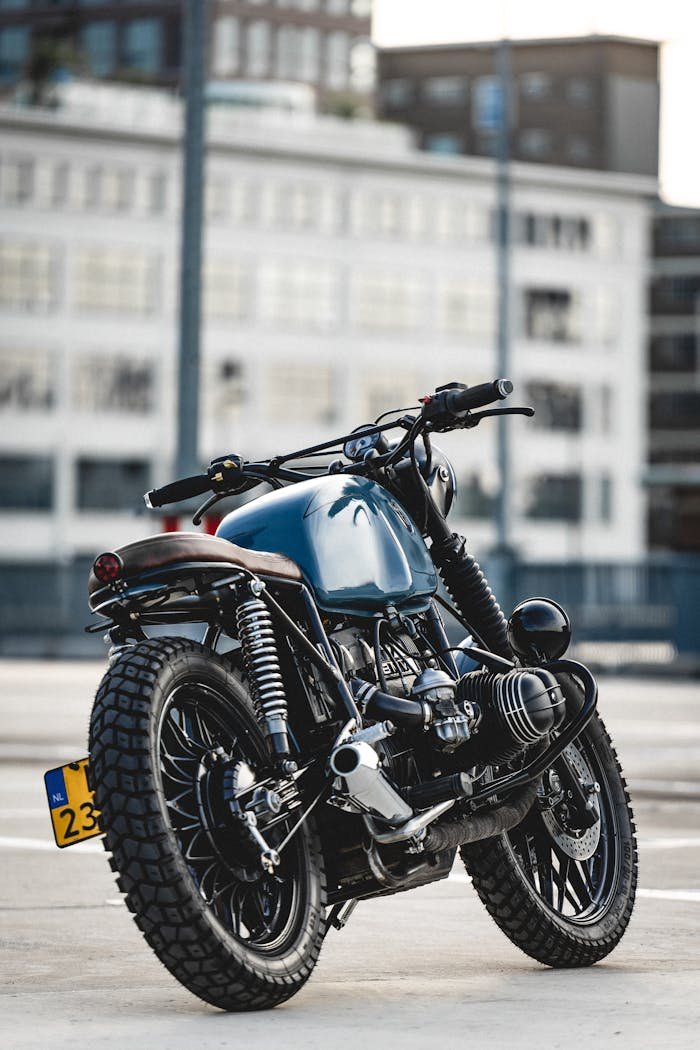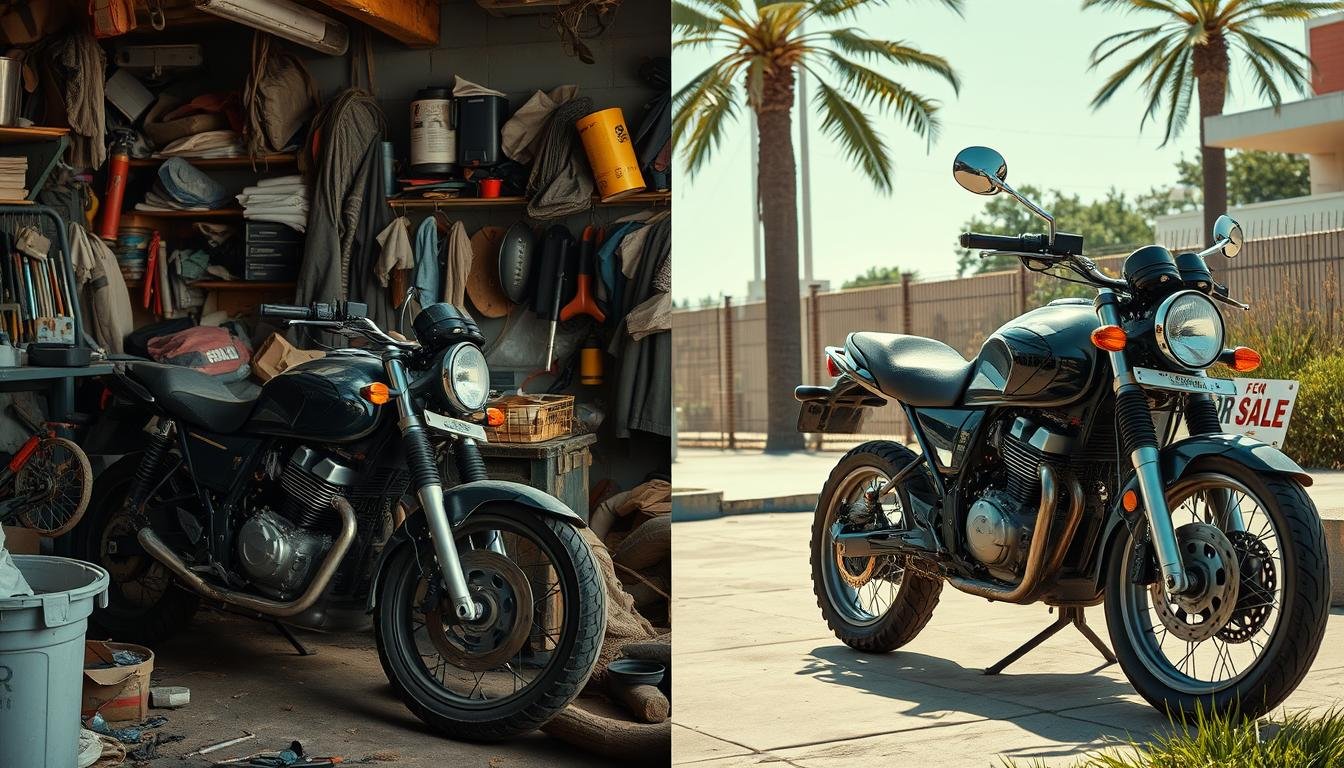
Deciding whether to repair or sell your broken motorcycle is tough. It depends on money, how much you care about the bike, and its state. Think if fixing it is smart or if it’s time to sell.
When looking at the damage, think about the costs. Some fixes might be doable and extend your bike’s life. But others could be very expensive or hard to find parts for. Also, selling a used bike can be risky, even more so for classic models without the right papers.
In this article, we’ll explore what makes you choose to fix or sell your motorcycle. We aim to give you the info you need to make a wise choice.
Key Takeaways
- Assess the overall condition of your motorcycle before deciding.
- Understand the potential repair costs and compare them to market value.
- Investigate emotional ties to your motorcycle that may influence your choice.
- Consider current market trends and how they affect motorcycle selling.
- Weigh the pros and cons of both repairing and selling before making a decision.
Assessing the Condition of Your Motorcycle
Knowing how your motorcycle is doing is key before you decide to fix it or sell it. A detailed check-up helps spot big problems that could cost a lot to fix. It also shows if there are small fixes that are easy to do.
Signs of Extensive Damage
Look for signs of big damage when checking your motorcycle. A bent frame is a big warning sign. It can make fixing your bike hard and expensive. Other signs to watch for include:
- Cracks in the frame or bodywork
- Leaking fluids, such as oil or coolant
- Worn-out or damaged tyres
- Inoperable lights or indicators
Minor Repairs vs. Major Overhauls
Small repairs, like replacing brakes, are easy and can make your bike better. But big jobs, like engine rebuilds, take a lot of time and money. Knowing how big the repairs are helps you decide if you should fix it or sell it.
Understanding Repair Costs
Getting the repair cost right is important. Many things can change the price, like the bike model, part availability, and repair shop costs. Here’s a rough idea of what you might pay:
| Type of Repair | Estimated Cost (AUD) |
|---|---|
| Brake Replacement | 200 – 600 |
| Engine Rebuild | 1,500 – 5,000 |
| Electrical Repairs | 300 – 1,200 |
| Tyre Replacement | 300 – 800 |
These prices are just a guide. They can change a lot. Always talk to experts for a better idea of what it will cost for your bike.
Evaluating the Market Value
Figuring out your motorcycle’s market value is key when deciding to repair or sell it. Many factors affect the resale value, like the make, model, condition, and historical appeal. Knowing these can help you make a smart choice, given the competitive second-hand motorcycle market.
Factors Influencing Motorcycle Value
Several things impact your motorcycle’s value:
- Make and Model: Some brands and models hold their value better than others. Popular ones usually get higher prices.
- Condition: The bike’s physical state greatly affects its resale value. Bikes in good shape usually get better offers.
- Age: Newer models generally have higher resale values than older ones.
- Market Demand: The motorcycle market trends can change, affecting second-hand bike prices.
Online Resources for Valuation
Using online platforms is a smart way to estimate your motorcycle’s worth. Sites like Gumtree, eBay, and local classifieds offer insights into market trends and prices. Here are some top choices:
| Platform | Purpose | Potential Users |
|---|---|---|
| Gumtree | Local marketplace for buying and selling | Local buyers and sellers |
| eBay | Global auction site for second-hand motorcycles | Bidders seeking unique or rare models |
| Facebook Marketplace | Community-oriented selling | Local buyers searching for deals |
Local Market Trends
Knowing local market trends is crucial for motorcycle resale value. Seasonal demand and regional preferences can change bike prices. Here are some current trends:
- More demand for touring motorcycles in areas great for long rides.
- Growing interest in eco-friendly motorcycles as people care more about the environment.
- Electric motorcycles becoming popular in cities due to local laws.
The Cost of Repairs
Finding out how much it costs to fix a motorcycle can be tricky. It depends on how badly your bike is damaged. Knowing the repair costs is key, as they can vary from small fixes to big overhauls.
Deciding if you can fix it yourself or need a mechanic is important. It depends on your mechanical skills.
Estimating Repair Expenses
Repair costs change based on the damage type. Cruiser bikes often get away with minor damage in crashes. But, even small accidents can hurt the front suspension, leading to high repair bills.
Even small parts like brake pedals and mirrors can add up. So, making a detailed list of repairs is crucial.
DIY Repairs vs. Professional Help
Choosing DIY or a mechanic affects your budget. If you’re skilled, fixing small issues yourself can save money. But, for complex problems, a professional is safer, even if it costs more.
It’s important to think about your skills and the repair costs. Bad repairs can lead to more problems later.
Warranty and After-Service Considerations
When you choose a mechanic, think about warranties and after-service. A good mechanic might offer warranties, giving you peace of mind. Quality repairs now can save you trouble later.
Emotional Attachment to Your Motorcycle
Having a motorcycle is more than just a way to get around. It’s often tied to special moments and memories. This bond can make selling your bike a tough choice, mixing emotions with practical thoughts.
Sentimental Value vs. Practical Decisions
Deciding to fix or sell your bike can be hard. Your feelings for the motorcycle might clash with making smart choices. Remember, the bike holds memories, but it’s also a big financial decision.
The Stories Behind Your Bike
Every motorcycle has its own tales of adventure and personal achievements. These stories make selling your bike hard. Thinking about these moments can help, but you also need to think about the bike’s condition.
Reluctance to Let Go
Many riders find it hard to part with their bikes. They see it as a project to keep working on. But, as the costs of repairs add up, it’s time to weigh your feelings against the practical side.
| Factors to Consider | Sentimental Value | Practical Value |
|---|---|---|
| Memories | Strong emotional ties | Can be a burden during repairs |
| Investment | Time spent enhances feelings | Financially draining if extensive |
| Future Opportunities | Nostalgia makes letting go hard | Potential for profit from motorcycle selling |
Time Considerations
When deciding whether to repair or sell your motorcycle, time is key. It’s important to compare the time for repairs to the time for selling. This comparison can help you make a better choice.
Timeframe for Repairs
Fixing your motorcycle’s damage can take different amounts of time. Minor fixes might be done in a few days. But, big repairs could take weeks or even months, depending on the parts needed.
If you need your motorcycle for daily travel, long repairs might be a problem.
Time Involved in Selling
Selling your motorcycle also takes a lot of time. You’ll need to clean it, take good photos, and write a catchy ad. Plus, talking to buyers can add to the wait.
It’s important to plan for these steps if you choose to sell.
Urgency and Financial Implications
If money is tight, selling quickly might be your best option. Selling fast can give you cash right away to solve financial issues. This might mean you sell your motorcycle sooner than you’d like, skipping the repair time.
Potential for Customisation
Choosing to repair or sell your broken motorcycle might lead you to think about customisation. Customising your motorcycle lets you make it truly unique. You can change its look and possibly increase its value. It’s important to balance creativity with what buyers want and to think about the cost of repairs.
Customising Instead of Selling
Many people choose to customise their motorcycles instead of selling. This is common with classic or vintage bikes, where the goal is to restore them out of love. If your bike is newer but doesn’t hold sentimental value, buying a new one might be a better choice. Your decision depends on how much you love your bike.
Enhancing Resale Value through Modifications
Choosing the right modifications can make your motorcycle more valuable. Some popular changes include:
- Aftermarket exhausts
- Saddlebags
- Custom paint jobs
The success of these changes depends on how they look and work for potential buyers. When you repair your motorcycle, making smart changes can attract buyers and make your investment worth it.
Pros and Cons of Custom Builds
Custom builds are appealing but come with both good and bad points. Here are some things to think about:
| Pros | Cons |
|---|---|
| Unique and personalised design | Potentially high costs |
| Possible increase in resale value | Can deter future buyers |
| Pride in craftsmanship | Increased time and effort required |
Deciding on customisation depends on your goals and what you want for your motorcycle’s future. Focus on quality repairs to ensure your changes look good and last long.
Understanding Your Riding Needs
Thinking about your riding needs helps when you decide to sell your motorcycle. It’s important to consider how your preferences have changed. Have you moved from long-distance touring to daily commuting? The type of riding you enjoy now is key to finding the right motorcycle for you.
How Your Needs Have Changed
Your riding needs can change due to lifestyle, commuting, or interests. It’s important to think about these changes when deciding to sell or repair your motorcycle. Ask yourself if you still need a bike for long rides or if a commuter bike is better for daily use.
The Type of Riding You Prefer
Deciding between leisure rides, sport riding, or commuting affects the motorcycle you should look for. Each type of riding requires different bike features, like engine size and comfort. This focus helps ensure your next bike meets your riding preferences.
Motorcycle Size and Model Considerations
Choosing the right motorcycle size and model depends on your body, experience, and where you ride. A big touring bike is great for long trips, while a smaller bike is better for city streets.
| Motorcycle Size | Best For | Example Models |
|---|---|---|
| Small | Commute, City Riding | Kawasaki Z125 Pro, Honda Grom |
| Medium | Sport Riding, Versatile Use | Yamaha MT-07, Suzuki SV650 |
| Large | Touring, Long-Distance Riding | Honda Gold Wing, BMW R1250RT |
Understanding these factors helps make better choices. Whether you decide to repair or sell your motorcycle, knowing your needs is crucial.
Environmental Impact
Thinking about the environmental effects of fixing a motorcycle instead of scrapping it is key. Repairing your bike not only makes it last longer but also cuts down on waste. This choice is better for the planet.
Benefits of Repair vs. Scrap
Choosing to fix your motorcycle is good for the environment. It keeps your bike running and reduces the need for new parts. This helps save energy and resources.
Recycling Motorcycle Parts
Recycling motorcycle parts is a green way to go. Motorcycle salvage yards and breakers take apart bikes to reuse parts like:
- Engines
- Frames
- Electrical elements
- Exhaust systems
- Suspension pieces
- Bodywork
This method cuts down on waste and saves money on repairs. It’s also good for the planet.
Sustainable Practices
Using sustainable practices in motorcycle repair is beneficial. Look for repair options that recycle and use parts from trusted wreckers. These services offer rare parts and help reduce waste.
Striking a Balance: Repair or Sell
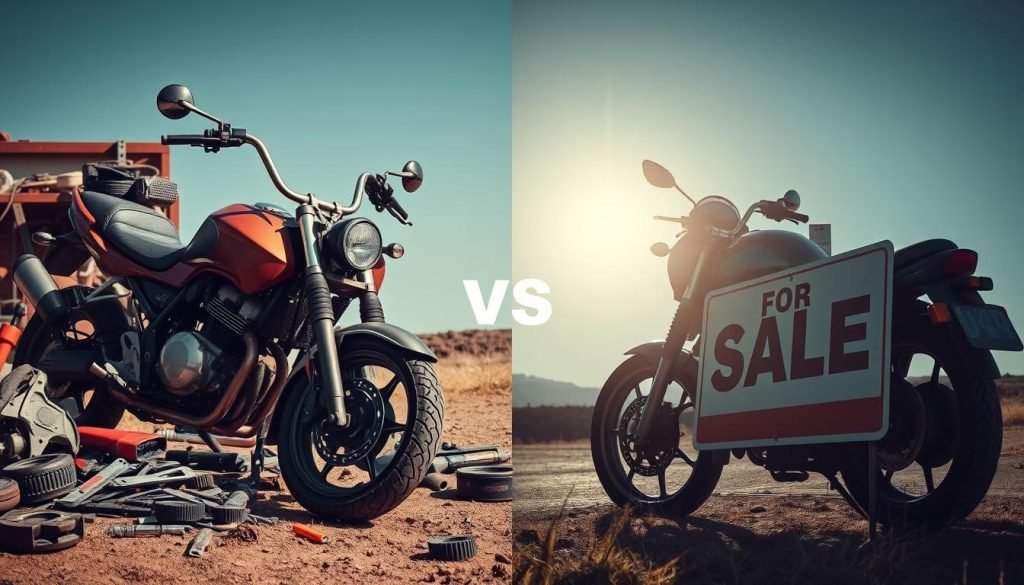
Choosing between repairing or selling a broken motorcycle is a big decision. You need to think about what’s best for you. The choice can affect your money and how much you enjoy riding.
Weighing Pros and Cons
Knowing the good and bad of each choice can help you decide:
- Repairing lets you keep your bike and maybe fix it up again.
- Fixing it might cost more than you think, depending on the damage.
- Selling can give you money right away, which you can use for other things.
- The state of your bike and its value can affect how much you sell it for.
Scenarios Where Each Option Works
Some situations make one choice better than the other:
| Scenario | Best Option |
|---|---|
| High repair costs exceeding 70% of your bike’s value | Sell |
| Sentimental attachment to your motorcycle | Repair |
| Financial constraints with urgent cash requirements | Sell |
| Desire to ride again soon | Repair |
Seeking Expert Advice
Talking to mechanics or appraisers can help a lot. They can tell you if fixing or selling is better. They’ll look at the damage, guess repair costs, and give a fair price for your bike. Getting advice from different people can help you make a smart choice.
Making the Final Decision
Choosing what to do with your motorcycle can be tough. But, it’s important to listen to your gut after thinking it through. Whether you choose to fix it up or sell it, your instincts should lead the way. This decision should be based on the bike’s state and its worth in the market.
Every choice has its ups and downs. Knowing the pros and cons will help you make the right choice.
Trusting Your Intuition
Your gut feeling is key when deciding to repair or sell your motorcycle. Think about your future riding plans and how much the bike means to you. If everything fits with your goals, you’ll feel sure about your decision.
Creating a Plan of Action
After making up your mind, make a solid plan. If you’re fixing it up, figure out what parts need work and how to make it shine. This can boost its value by up to 10%.
If selling is your choice, get the bike ready for buyers. Make sure it looks its best and is ready for potential buyers. Dealerships usually keep some of the bike’s value when trading it in.
Next Steps After Your Decision
After deciding, plan out what to do next. If you’re fixing it, get quotes and look for parts or services. If selling, gather documents, clean the bike, and take good photos for ads.
Every decision leads to the next step. Make sure you’re moving forward with clarity and precision. This way, your motorcycle journey will stay on track with your changing needs.